Pinellas Sheriff's Marine Unit Shares Essential Boating Safety Tips
Published on July 01, 2026
Written By Laura Sullivan, Public Relations Specialist
Pinellas County Sheriff's Office
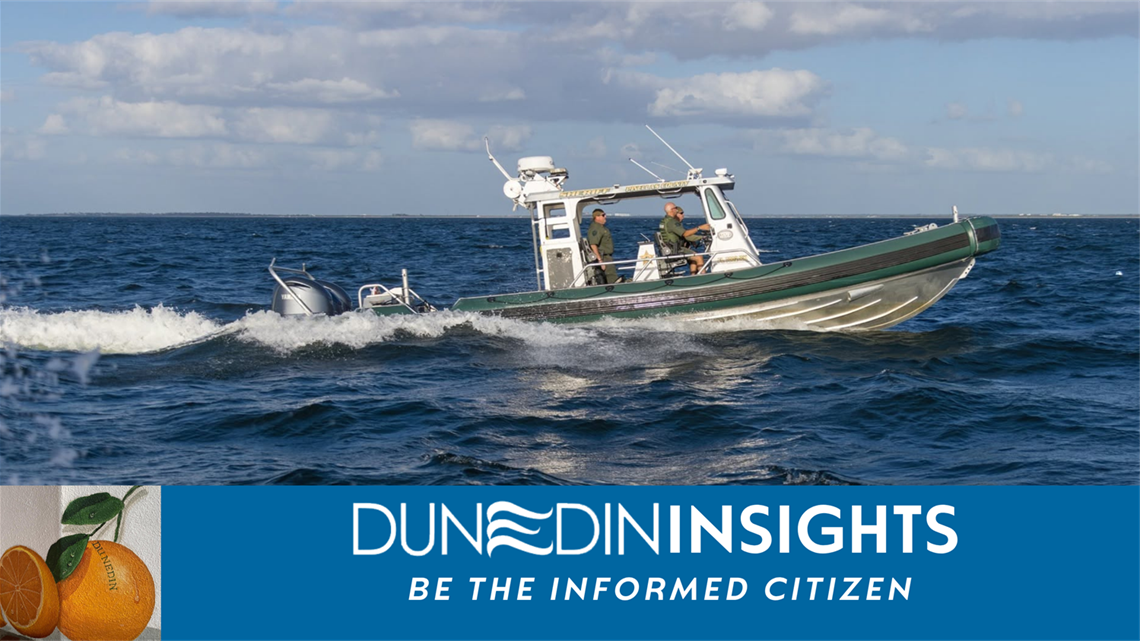
Conditions on the water can change in a matter of minutes. The Pinellas County Sheriff's Office Marine and Environmental Lands Unit shares why it's important to monitor the weather before
you launch and while you're on the water, along with other tips for a safe outing.
Watch the Weather Before and During Your Trip
Around here, mornings on the water are usually beautiful, with calm winds and flat seas that are irresistibly inviting to boaters, kayakers and paddleboarders. But the Pinellas County Sheriff's Office Marine and Environmental Lands Unit wants to remind you that everything can change in a matter of minutes.
“People check the weather the night before and decide it will be a good boating day,” said Deputy Jamison Raley, “but they don’t look again before they launch or check the weather once they’re out.” Storms can blow up incredibly quickly. In our typical summer pattern, the sea breeze develops around the middle of the day. Cooler air from the Gulf moves inland to meet hotter air over land, and storms often develop where these meet. These storms can be intense and fast moving — and deadly if a boater is caught in them unaware.
“Watch the weather and watch the wind,” says Deputy Quinn Morrison. He recommends finding an app or two that will give you an accurate forecast and checking it often before and during your outing on the water. You may even want a couple of different apps that give you wind and tide information. Many wind and weather apps will show anticipated future weather conditions, too, so you can see when clouds are expected to build or wind strength and direction are likely to change.
“Watch the skies too,” Deputy Morrison added. Even without an app, you can usually tell by scanning the clouds or feeling changes in the wind when a storm is building or approaching. Know what you’re in for, and make the safest decision. Usually that will involve getting off the water, but if you’re on an island then staying put until the storm passes might be your safest bet.
Don't Underestimate the Tides
Winds and weather can change with little warning, but tides are extremely predictable. Still, a lot of the Marine Unit’s water rescues are for people who either don’t consider the tides or underestimate their strength.
Paddlers are especially vulnerable. If they’re at slack tide the paddle might be easy, and if they’re traveling with the tide they might go much farther than they mean to. But once the tide turns, they find they’re fighting a stiff current and can’t make it back to their launch. A clever paddler can sometimes take advantage of the tides, timing their out-and-back to catch the most help in each direction.
Motorboats are also vulnerable to tides.
“A lot of people like to anchor up to sandbars,” Deputy Raley said. “They’re having a good time, maybe having some drinks, and they’re not paying attention to the tide. The next thing they know, the tide has gone out and their boat is completely out of the water. It will cost them several hours of waiting for the tide to change, or several hundreds of dollars to have it pulled off.”
Overconfidence Can Be Dangerous
One of the biggest problems is overconfidence. Sadly, people drown within sight of the shore every year.
“Plenty of people think that they’re safe as long as they can see the shore,” said Deputy Morrison. “Just because you’re a good swimmer, or even a lifeguard, doesn’t mean you’re always going to win against Mother Nature.”
Prepare Before You Leave the Dock
The best thing to do is prepare. Check the weather at frequent intervals, and pick the safest option when bad weather looms. It’s better to cancel a boating trip or head home early than to get stuck in a strong storm.
Make sure you have all of your safety equipment too. Whether you’re in a motorboat or a human-powered craft, bring your fully charged cell phone in a dry bag. In most near-shore locations you’ll have cell service. Wear your PFD. Yes, it is hot. Yes, it is uncomfortable. But if your boat capsizes or you fall into the water, having that life vest on instead of just on the boat can save your life.
Always Share Your Plan
Every time you go out on the water, make a plan and tell someone about it. That way if anything goes wrong the Marine Unit knows when and where to start searching for you. Don’t forget to let people know when your plans change, too.
“We get a lot of calls where people are overdue and their friends or family call us,” said Deputy Morrison. “We’ve been out all night with boats and a helicopter looking for a supposedly lost family of boaters, who actually decided to dock and get a hotel for the night and didn’t let anyone know.”
Members of the Marine Unit are ready to come to your rescue, and they have boats capable of responding in rough weather. But Deputy Raley cautions people not to let this give them a false sense of security.
“Boaters think if they get into trouble they can just call us and we’ll come get them. Which we will … but they don’t know where they are and we have to hunt for them through a storm.”
Better to avoid the danger in the first place than to need a rescue.